

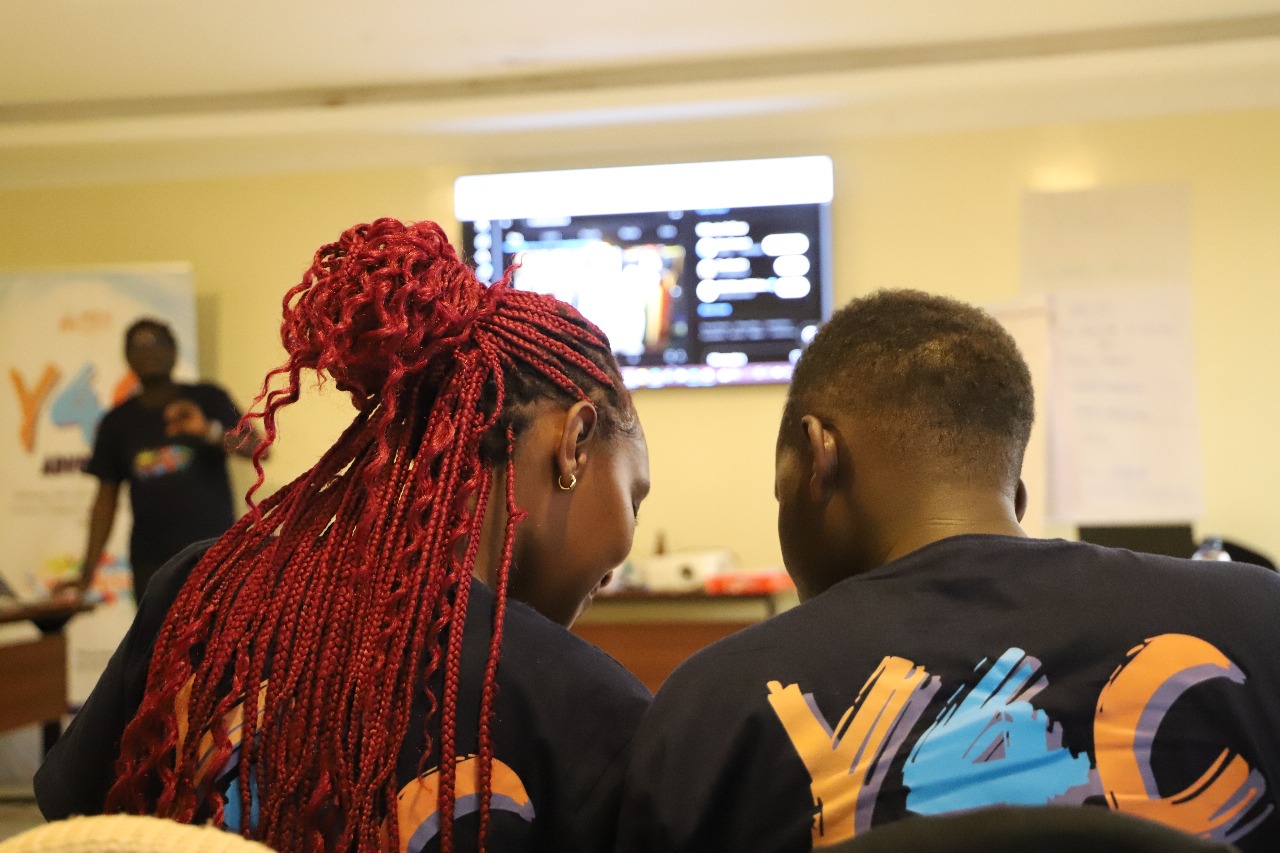
When Danroy Asena walked into the training room in Samburu, he carried the same belief many young people grow up with, that leadership spaces are reserved for “others.” Decisions were made somewhere far away, by people he would never meet, using information he would never access.Three days later, that belief no longer existed. “I am shocked that all this information is accessible to us, yet we hardly take time to learn and understand it. I am equally shocked that I can freely visit the offices of our leaders, I thought only a certain group of people could,” Danroy shared.
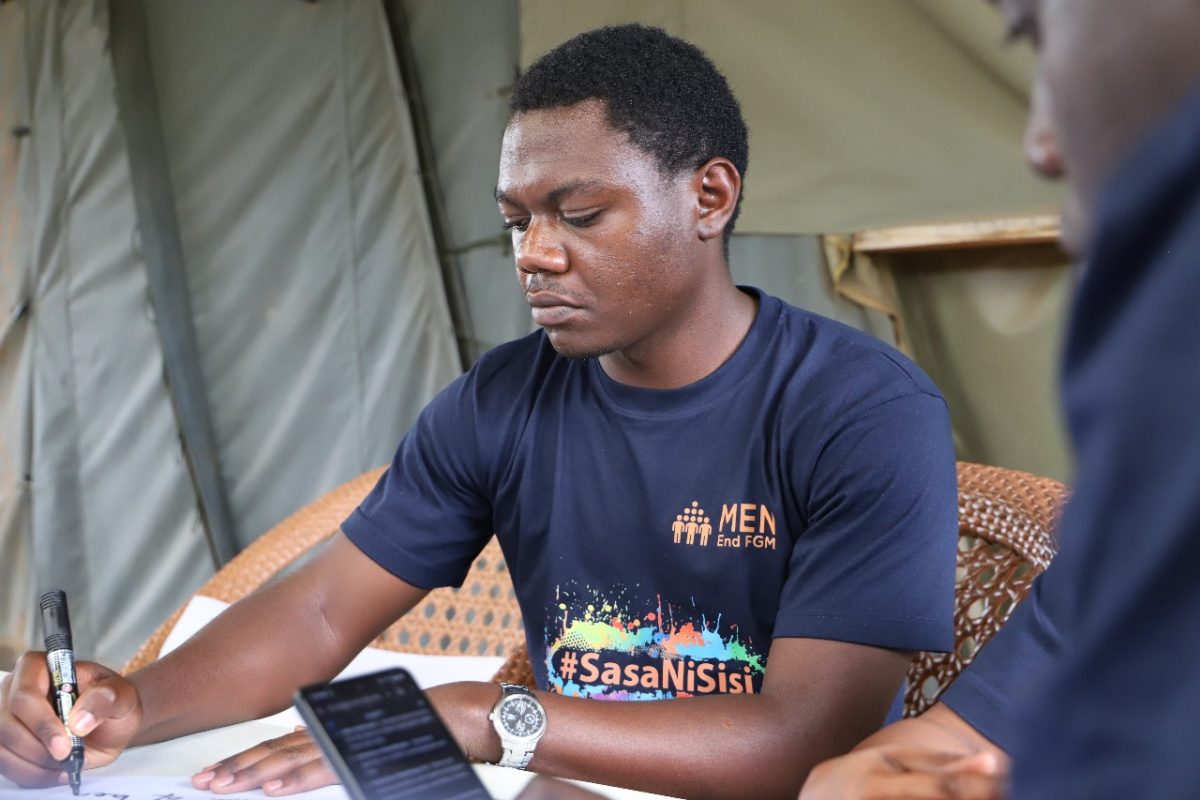
This moment of realization captures the heart of #SasaNiSisi, a youth-led journey from exclusion to taking their rightful positions at the table of decision-making. Young people are often described as fire: energetic, passionate, and full of potential. Yet for far too long, that fire has burned without direction, not because young people lack awareness of the challenges around them, but because they are rarely given the tools to engage the systems shaping their lives.
With support from the AU–EU Youth Lab Action, Men End FGM Foundation launched the second cohort of the Youth for Change (Y4C) Advocates initiative in Samburu, building on the success of the first cohort in Samburu and West Pokot. The goal was simple but powerful: equip young people with the knowledge, skills, and confidence to engage governance spaces meaningfully, now, not in the future.
Over the course of a three-day intensive training, young women and men unpacked policy frameworks, budget processes, and public participation mechanisms. As conversations deepened, a striking pattern emerged: participants were deeply conversant with the problems affecting their communities, harmful practices, lack of services, youth unemployment, but had never been shown that the solutions already exist within the Constitution and public policy structures. For many, this was a turning point.
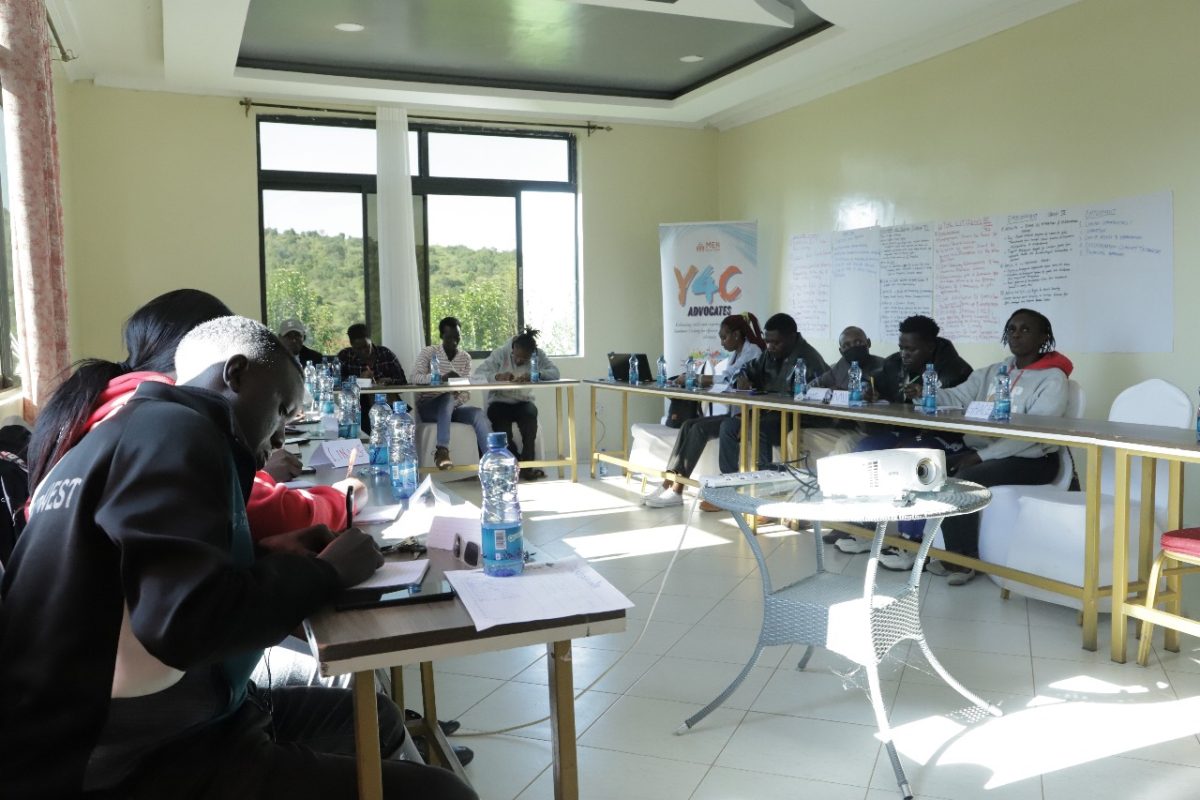
As confidence grew, so did action. Participants began strengthening their advocacy around the Samburu Youth Policy, working together to refine it and present it to the members of the Sector Working Group. What once felt intimidating now felt possible. For the first time, young people were not just raising concerns, they were proposing structured solutions and contributing to a clear roadmap for implementation.
The transformation did not stop there. Soon after, members of the cohort took part in the National Public Sector Hearings, standing before leaders from multiple national sectors to present the priorities of their counties and communities. Where there had once been hesitation, there was now clarity. Where there had once been silence, there was voice. “It has been an eye-opening experience to realize that we have sat out of these rooms for so long. We are ready to learn more and engage our leaders, offering practical solutions for our communities,” said Christine Nangidae, one of the participants.
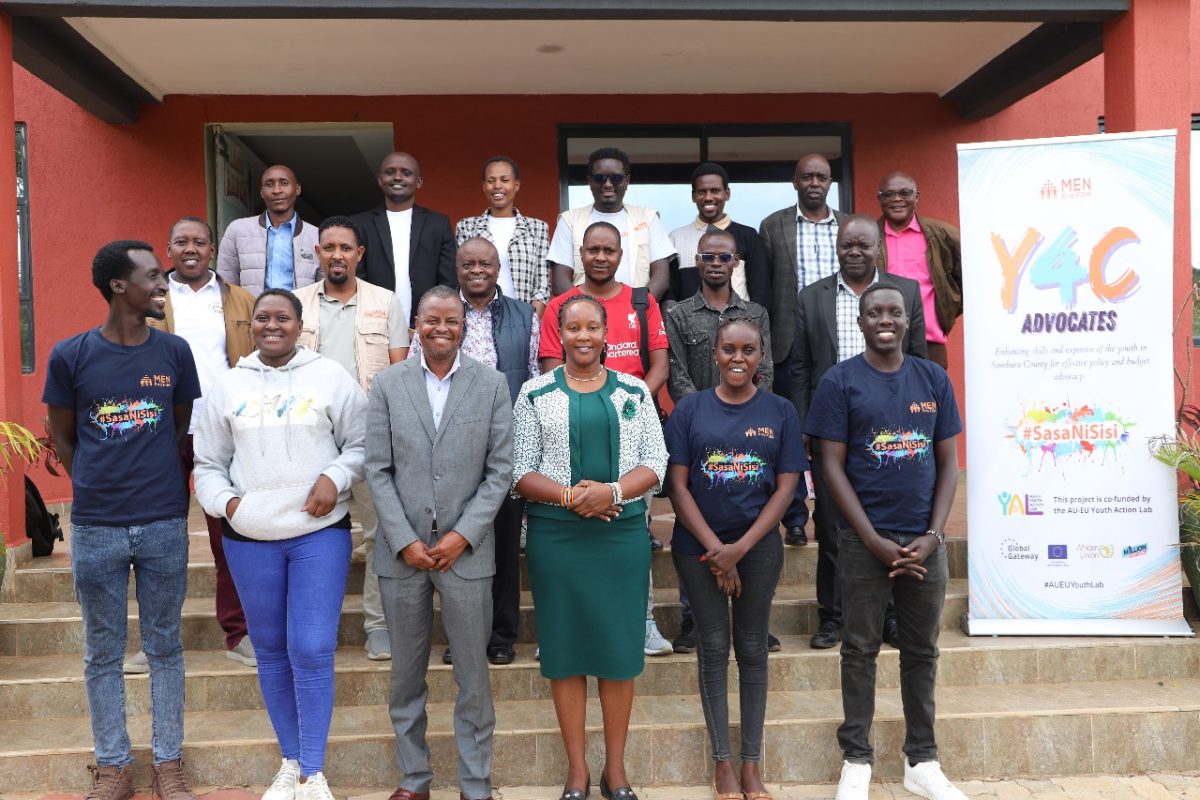
For Men End FGM, this moment has reinforced its belief that when young people are empowered, they will rise. They do not wait to be invited, they step forward, engage responsibly, and lead with purpose.#SasaNiSisi is evidence that when we, as a society, invest in building capacity among youth, unbridled potential is converted into actions that are well-informed. With your support, youths who felt excluded are now boldly engaging policymakers, influencers of decisions, and taking their rightful place within decision-making circles. #SasaNiSisi – It is Our time. And it is happening now!